載入中 |
載入中
載入錯誤
還在載入中,請稍候...


Tetsuhiko的筆記
Ch3 調整及編製財務報表
- 2017-11-11 13:08:03
- 1167
- 會計學
-


- 會計期間和報告
- 會計期間假設(Time period assumption)是指利用人為的方式將企業的活動劃分成特定的時間段落,例如:一個月、三個月、季、六個月或一年。
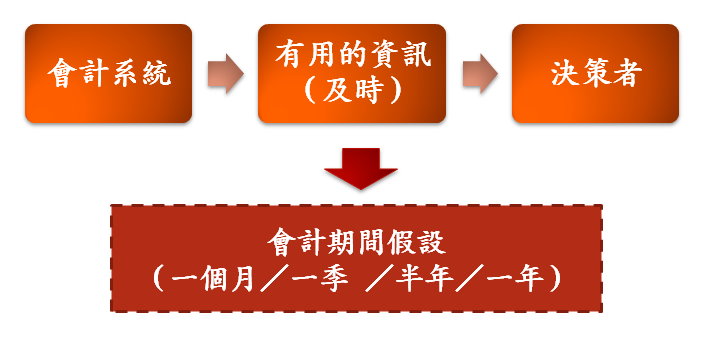
- Reports covering a one-year period are known as
annual financial statements.
報告涵蓋期間為一年者稱為年度財務報告。 - Many organizations also prepare
interim financial statements covering one, three, or six months of activity.
很多企業會提供期中報告,期間涵蓋一個月、三個月(季)或六個月。 - Exhibit 3.1
Accounting Periods
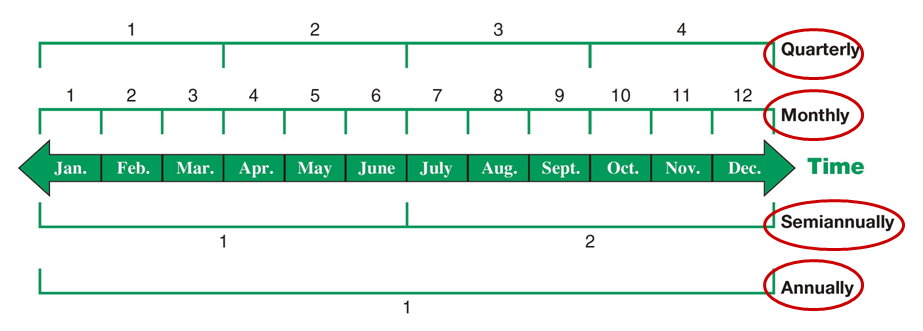
會計期間- 採用會計年度 (financial year or fiscal year)的企業會報導連續12個月的資訊。
- Gap公司的會計年度是從(2/1-1/31)
- 季節性變動不大的企業多採用曆年制 (calendar year)
- 有季節性變動的企業多採用自然企業年度 (natural business year),以銷售水準最低的時點視為期末
- Ex:Walmart、Target、Macy's
- 會計期間假設(Time period assumption)是指利用人為的方式將企業的活動劃分成特定的時間段落,例如:一個月、三個月、季、六個月或一年。
- 應計基礎和現金基礎 (Accrual Basis Versus Cash Basis)
- 應計基礎 (Accrual basis accounting):當收入賺得或費用發生時,利用調整分錄承認收入或費用(費用配合收入)。
- 現金基礎 (Cash basis accounting):收到現金時認列收入,付出現金時認列費用。
- 現金基礎會計非一般公認會計原則允許使用。
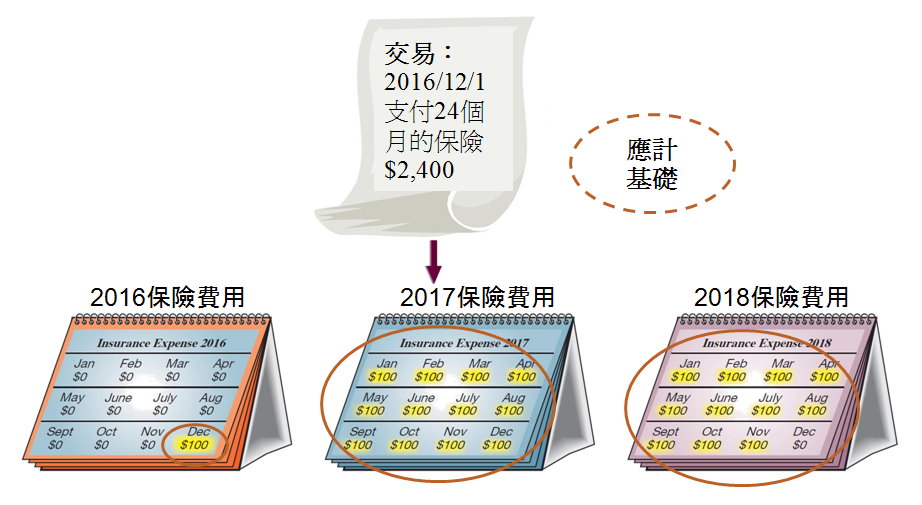
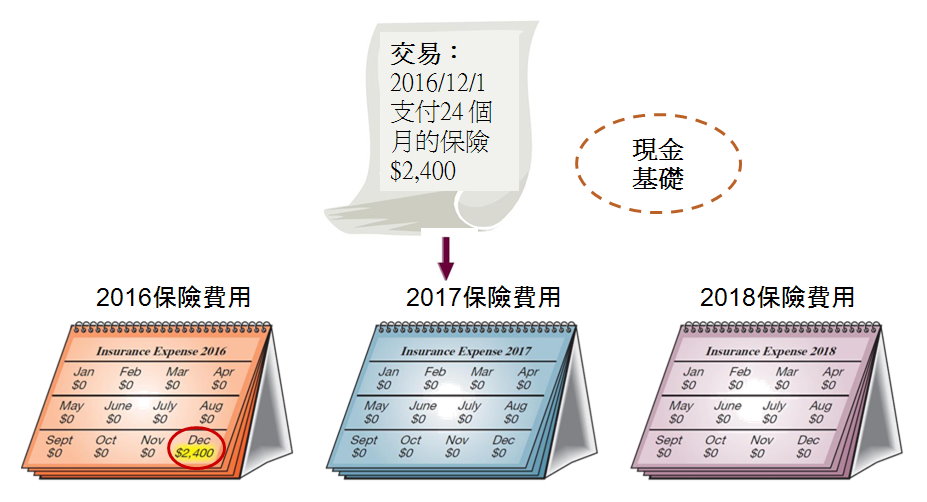
- FastForward paid
$2,400 for
24 months of insurance coverage that began on December 1, 2016.
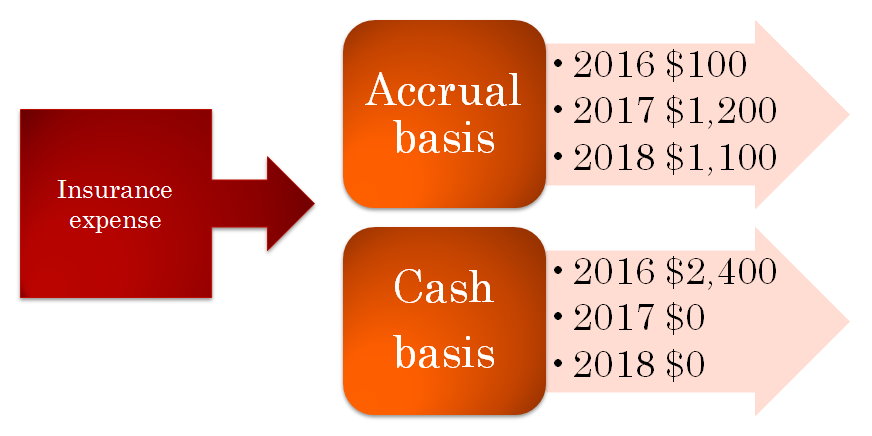
- Exhibit 3.2
應計基礎下分配預付保險到費用
- Exhibit 3.3
現金基礎下分配預付保險到費用
- 收入及費用認列 (Recognizing Revenues And Expenses)
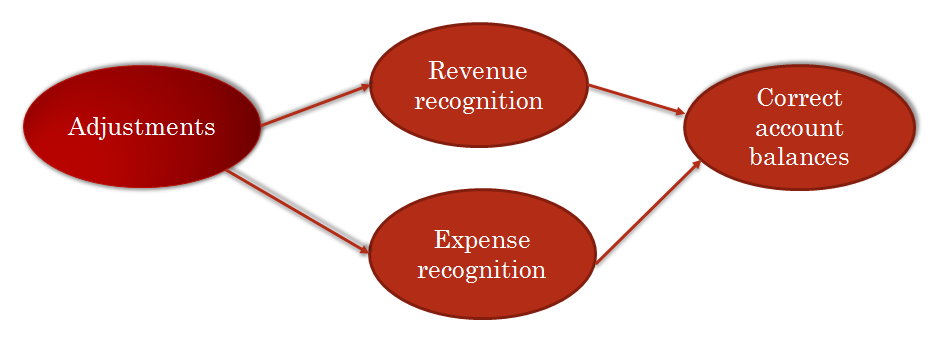
- 2 principles in the adjusting process:
- 收入認列原則 (Revenue recognition)
- 費用認列原則 (Expense recognition)
- 收入認列原則 (Revenue recognition principle)
- 當賺得時承認收入。
- 大部分公司在提供服務和產品時承認收入。
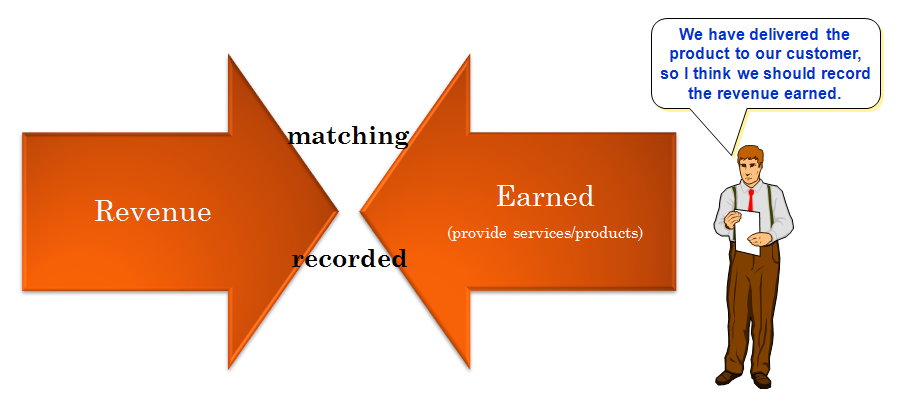
- 費用認列(配合)原則 (Expense recognition (or matching) principle)
- 報導收入的同時應將所耗用的部分認列為費用。
-
Matching expenses with revenues often requires us to predict certain events.
費用要能配合收入,通常需要依靠預測某些事件。
- Walt Disney's (production costs)
- Alice in Wonderland (ratio of current revenues)

- 2 principles in the adjusting process:
- 調整帳戶 (Adjusting Accounts)
- Adjusting accounts is a 3-step process:
- Step 1: Determine what the current account balance equals. 決定當期帳戶目前餘額為何。
- Step 2: Determine what the current account balance should equal. 決定當期帳戶餘額應該為何。
- Step 3: Record an adjusting entry to get from Step 1 to Step 2. 從步驟一和二算出調整分錄為何。
- Adjusting entry is made by
the end of an accounting period to reflect a transaction or event that is
not yet recorded. Each adjusting entry affects one or more income statement accounts and one or more
statement of financial position accounts. (but never the Cash account)
於期末時將平時未記錄的部份記錄成調整分錄,每一個調整分錄至少影響一個或多個損益表科目及財務狀況表科目。(絕不會有現金科目)
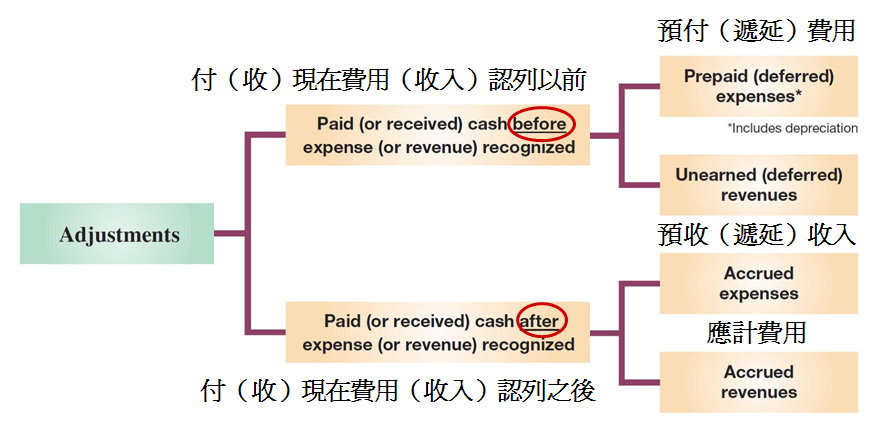
- Exhibit 3.4
Types of Adjustments
- Adjusting accounts is a 3-step process:
- 預付(遞延)費用 (Prepaid (Deferred) Expenses)
-
Prepaid expenses or
prepayments refer to items paid for
in advance of receiving their benefits.
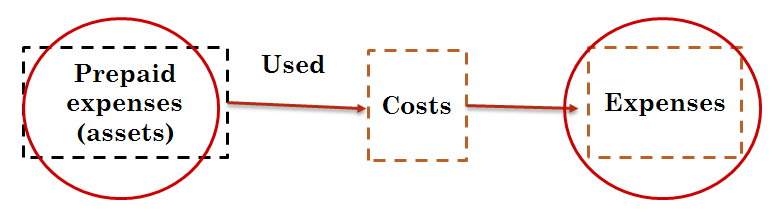
預付費用或遞延費用是指預先支付現金但尚未享受到的權利。 - Prepaid expenses are assets. When these assets are used, their
costs become
expenses.
預付費用是資產,資產耗用掉時轉認為費用。
- Exhibit 3.5
Adjusting for Prepaid Expenses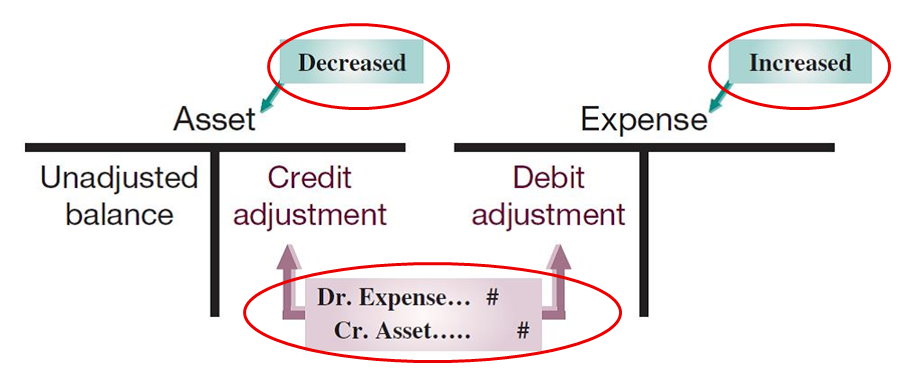
- Prepaid Insurance:
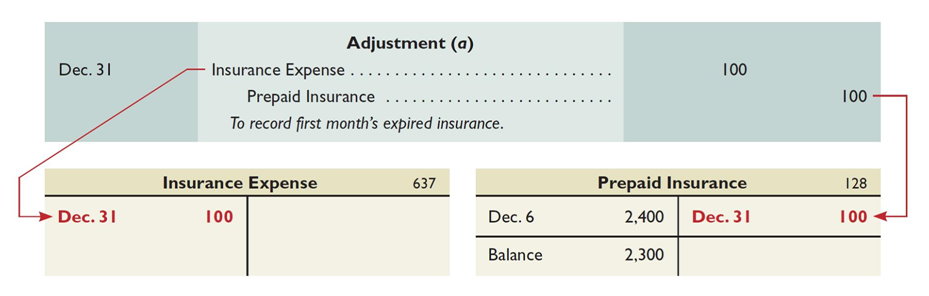
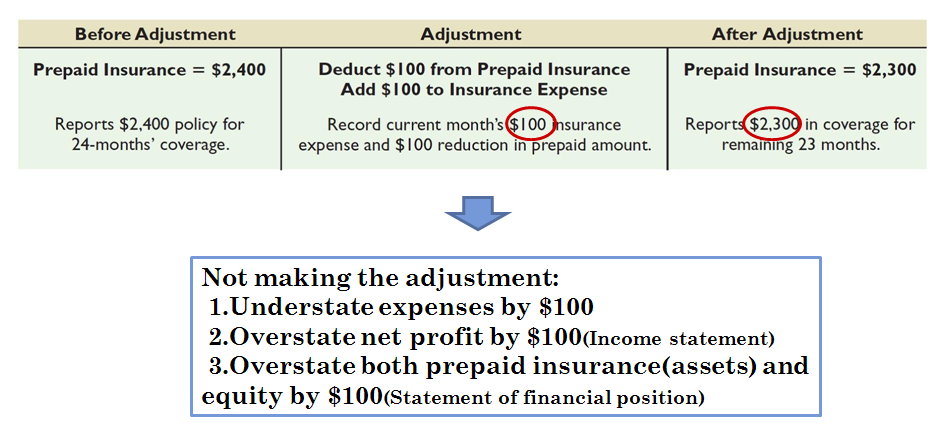
- Step 1:FastForward's prepaid insurance is equal to its $2,400 payment for 24 months of insurance benefits that began on December 1, 2016.
- Step 2:With the passage of time, one month's insurance coverage expires by December 31, 2016. This expense is $100, or 1/24 of $2,400, which leaves $2,300.
- Step 3:The adjusting entry
- Supplies:
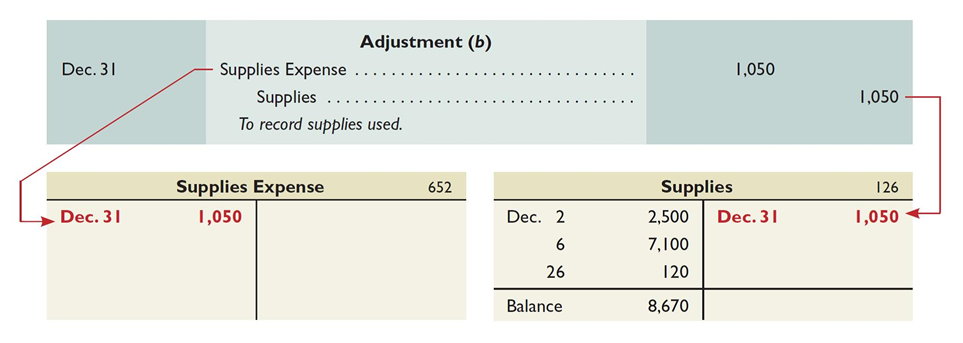
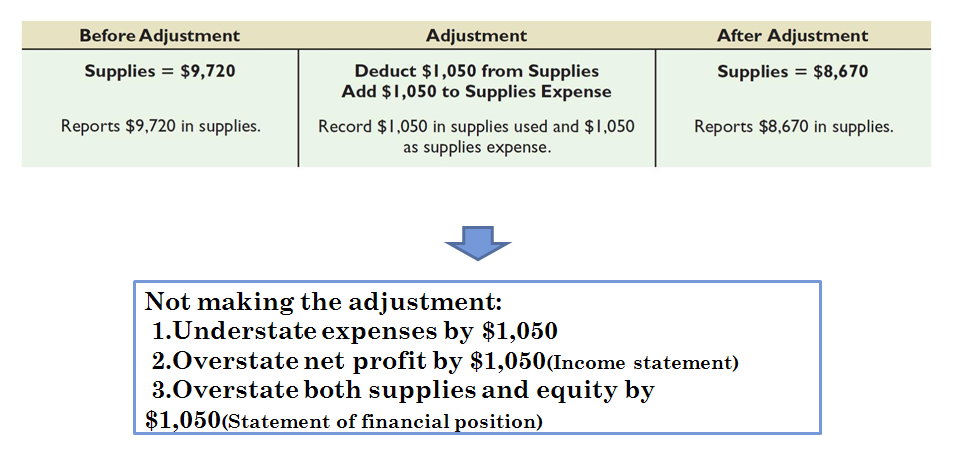
- Step 1:FastForward purchased $9,720 of supplies in December.
- Step 2:When FastForward computes (takes physical count of) its remaining unused supplies at December 31, it finds $8,670 of supplies remaining of the $9,720 total supplies.
- Step 3:The adjusting entry
- Depreciation (折舊):
- All property, plant, and equipment, exception for land, eventually wear out (磨損) or decline in usefulness.
-
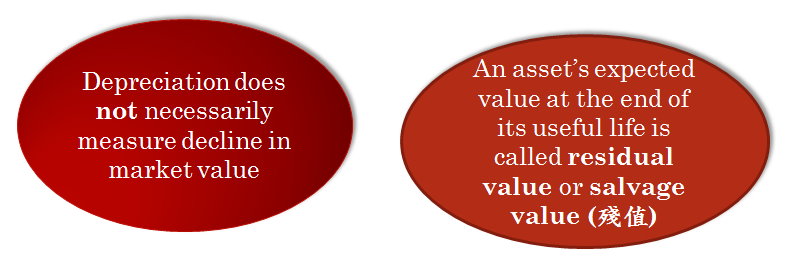
Depreciation is the process of allocating the costs of these assets over their expected useful lives.
將資產之成本在資產的耐用年限內分攤為費用。
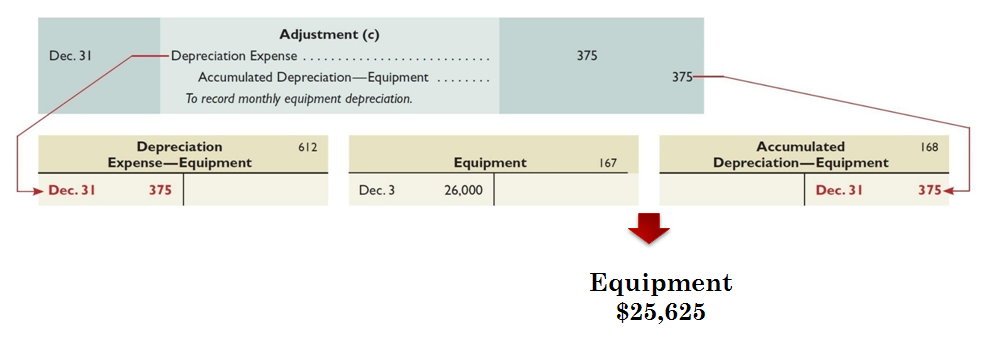
- Step 1:FastForward purchased equipment for $26,000 in early December.
- Step 2:The equipment is expected to have a useful life (benefit period) of 4 years and to be worth about $8,000 at the end of four years. FastForward uses a method called straight-line depreciation, Dividing the $18,000 net cost by the 48 months in the asset's useful life gives a monthly cost of $375 ($18,000/48).
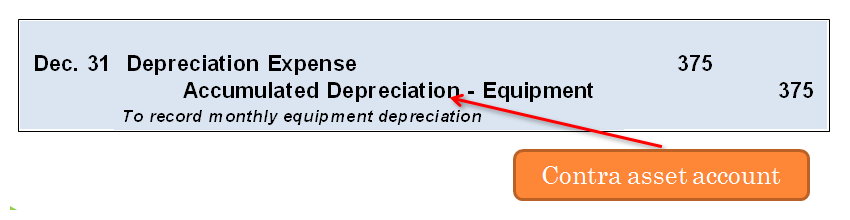
- Step 3:The adjusting entry to
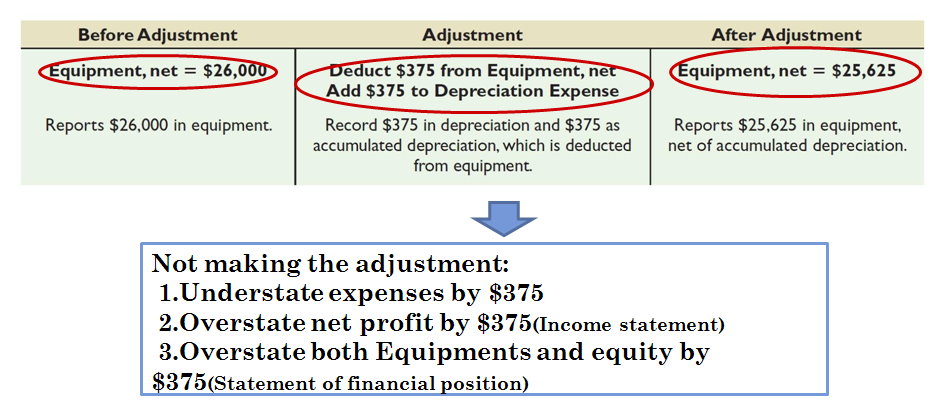
- A contra account (抵減帳戶) is an account linked with another account, it has an
opposite normal balance.
和另一個帳戶連結,它有反向的正常餘額。 - Contra account of Accumulated Depreciation — Equipment is subtracted from the Equipment account in the statement of financial position.
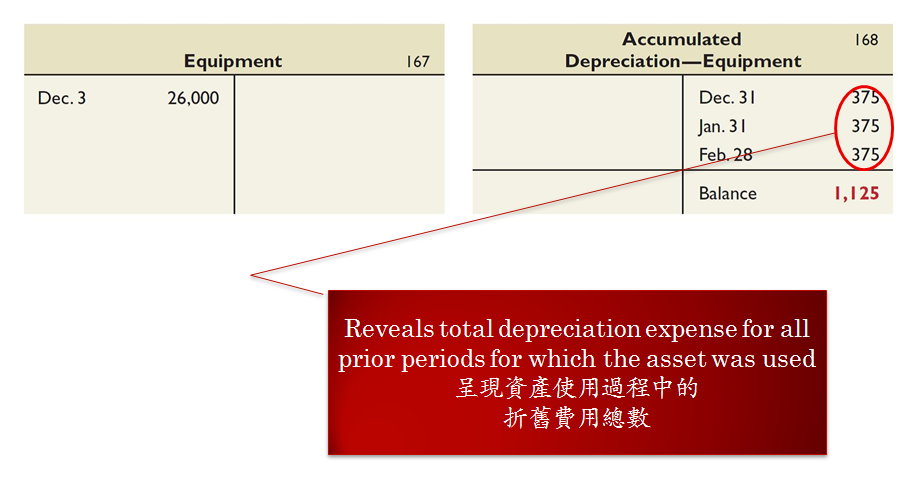
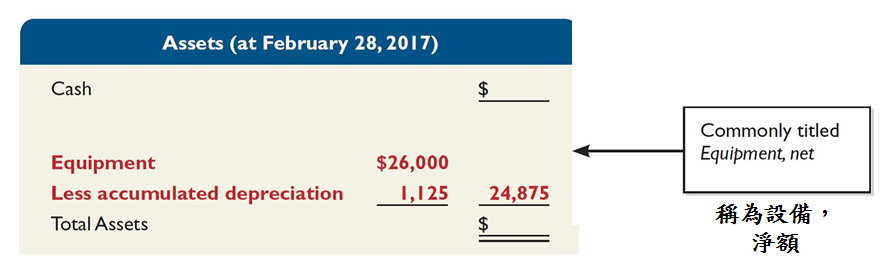
- Carrying amount (or
net book value, or
book value, or
net amount), equals the asset's costs less its accumulated depreciation.
帳面價值(或淨帳面價值、或帳面價值、或淨額)等於資產成本減累計折舊。
-
Prepaid expenses or
prepayments refer to items paid for
in advance of receiving their benefits.
- 預收(遞延)收入 (Unearned (Deferred) Revenues)
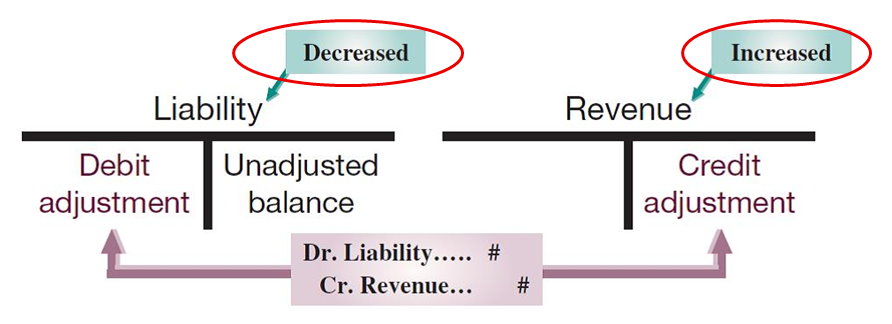
- Unearned revenue refers to cash received
in advance of providing products and services.
「預」指公司在提供產品及服務前,先預收現金。 - Unearned revenues, also called deferred revenues (遞延收入), which are liabilities (負債).
- 遞延是延期之意,待收入賺得時才報導收入金額。

- When cash is accepted, an obligation to provide products or services is accepted.
預收現金後,將來就有提供產品或服務的義務。 - As
products or services are provided, the
unearned revenues become
earned revenues.
產品或服務提供後,預收收入才轉認成收入。
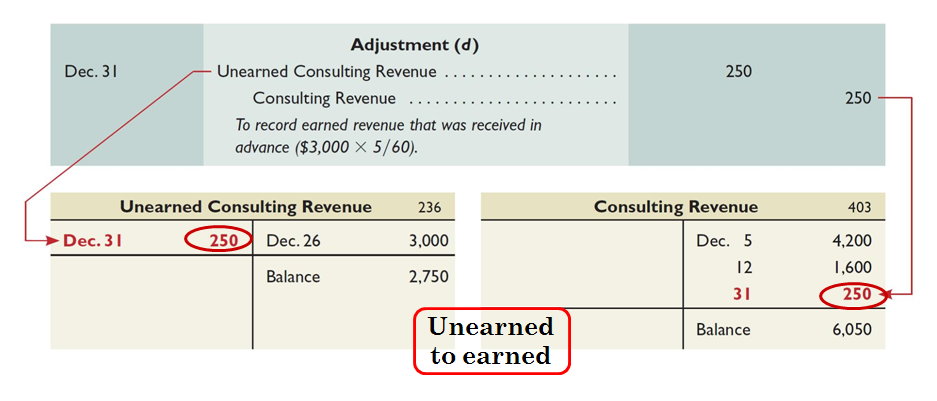
- Step 1:On December 26, the client paid the 60-day fee in advance, covering the period December 27 to February 24.
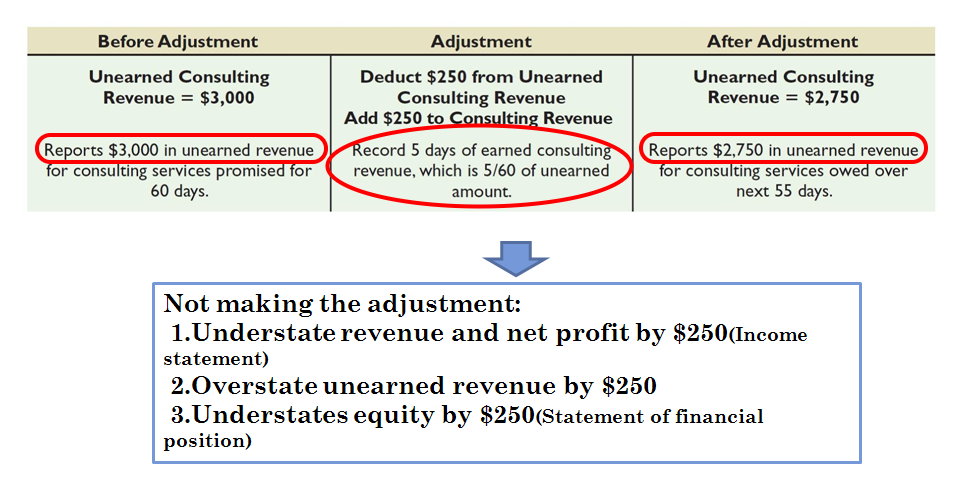
- Step 2:As time passes, FastForward earns this payment through consulting. By December 31, it has provided five days' service and
earned 5/60 of the $3,000 unearned revenue.

- Step 3:The adjusting entry
- Unearned revenue refers to cash received
in advance of providing products and services.
- 應計費用 (Accrued Expenses)
-
Accrued expenses refer to costs that are incurred in a period but are both
unpaid and
unrecorded.
指已發生但尚未付現且未記錄的費用。 - Accrued expenses must be reported on the income statement of the period when
incurred.
發生應計費用時應於會計期間內報導於損益表。
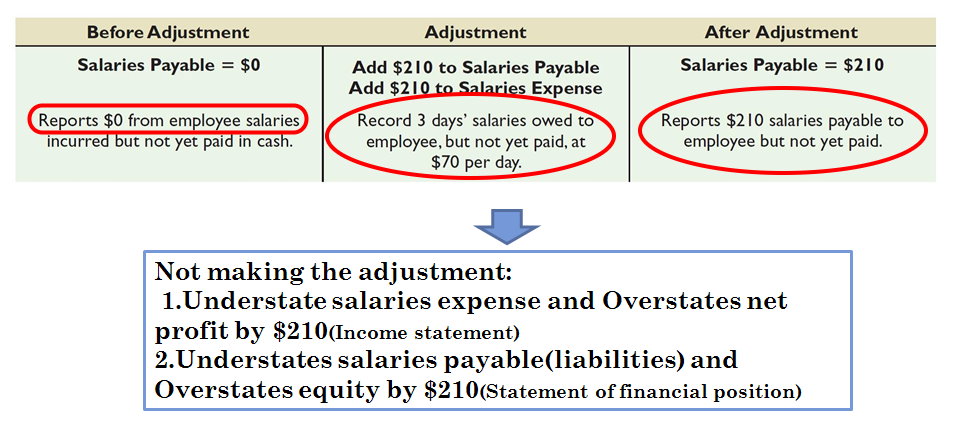
- Adjusting entries for recording accrued expenses involve
increasing expenses and
increasing liabilities.
應計費用的調整分錄,要將已耗用的部分認列為費用,未來該償付之義務列為負債。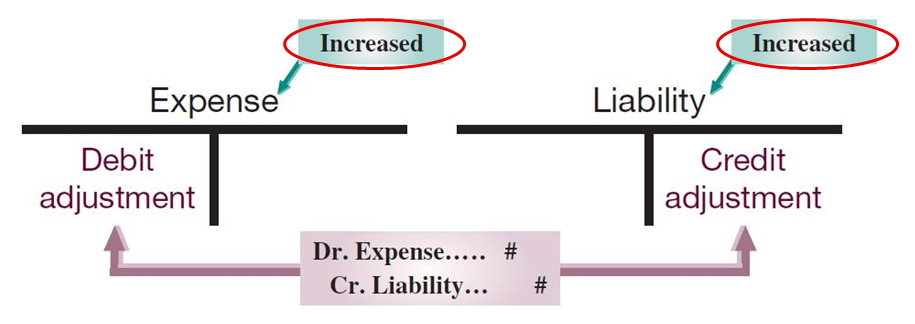
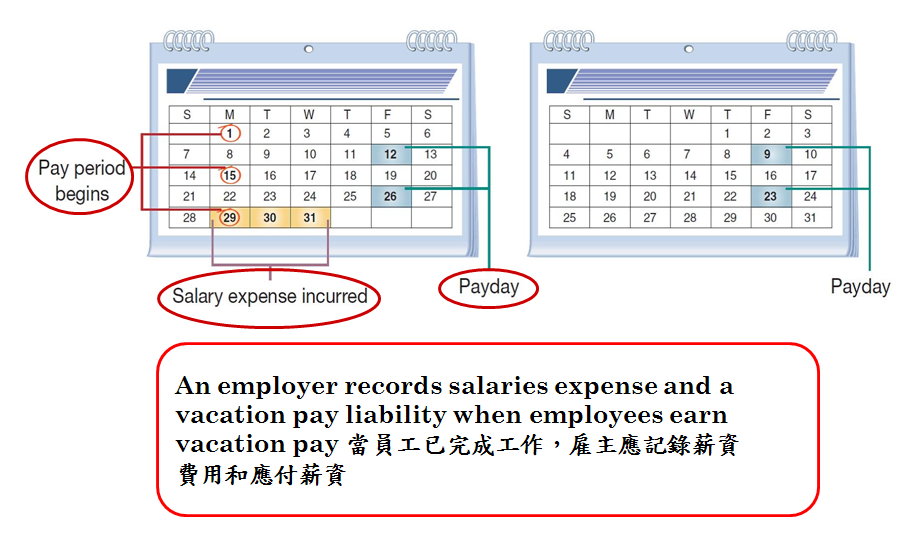
- Accrued Salaries Expense FastForward's employee
earns $70 per day, or $350 for a five-day workweek beginning on Monday and ending on Friday.
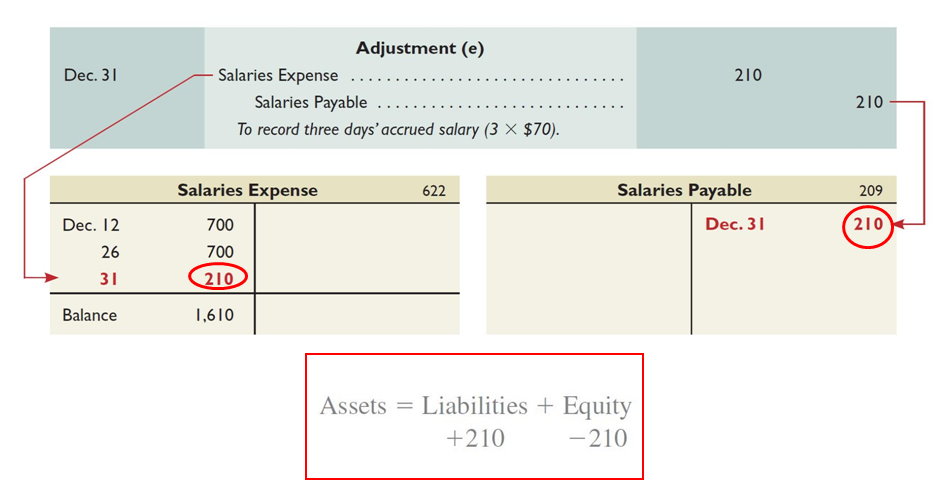
- Step 1: Its employee is paid every two weeks on Friday. On December 12 and 26, the wages are paid, recorded in the journal, and posted to the ledger.
- Step 2: 3 working days after the December 26 payday (29, 30, and 31).
- Step 3:The adjusting entry
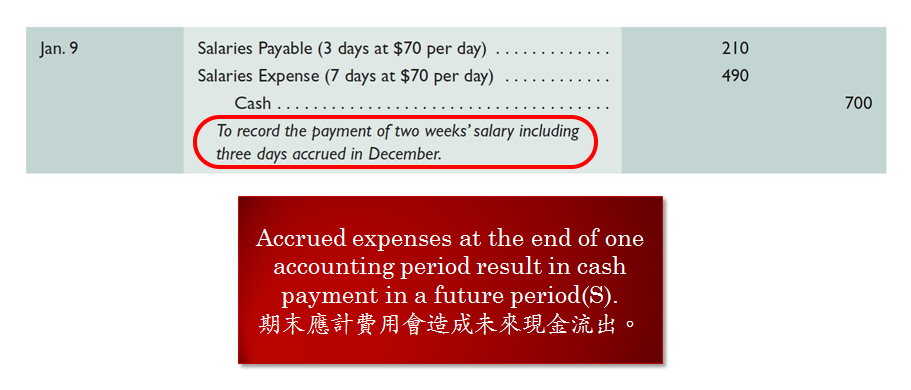
- On January 9, the first payday of the next period,
- Accrued Interest Expense 應計利息費用
Principal amount owed × Annual interest rate × Fraction of year since last payment date
本金 × 年利率 × 自上次付息後之期間
- If a company has a $6,000 loan from a bank at 6% annual interest, then 30 days' accrued interest expense is $30 — computed as $6,000 × 0.06 × 30/360.
- The adjusting entry would be to debit Interest Expense for $30 and credit Interest Payable for $30.

-
Accrued revenues refers to revenues earned in a period that are both
unrecorded and
not yet received in cash (or other assets).
應計收入是指已賺得但尚未收現且未記錄的收入(或其它資產)。- 若已完成1/3工作,應記錄1/3的收入。

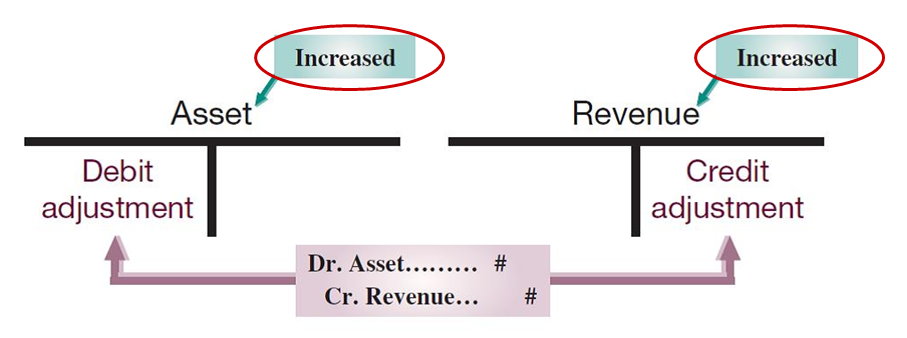
- The adjusting entries for accrued revenues
increase assets and
increase revenues.
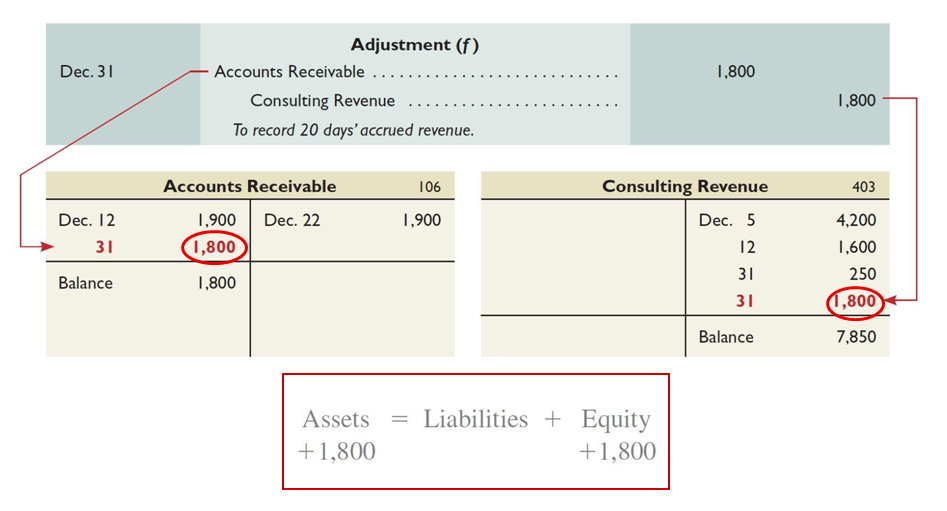
- Step 1: In the second week of December, it agreed to provide 30 days of consulting services to a local fitness club for
a fixed fee of $2,700.
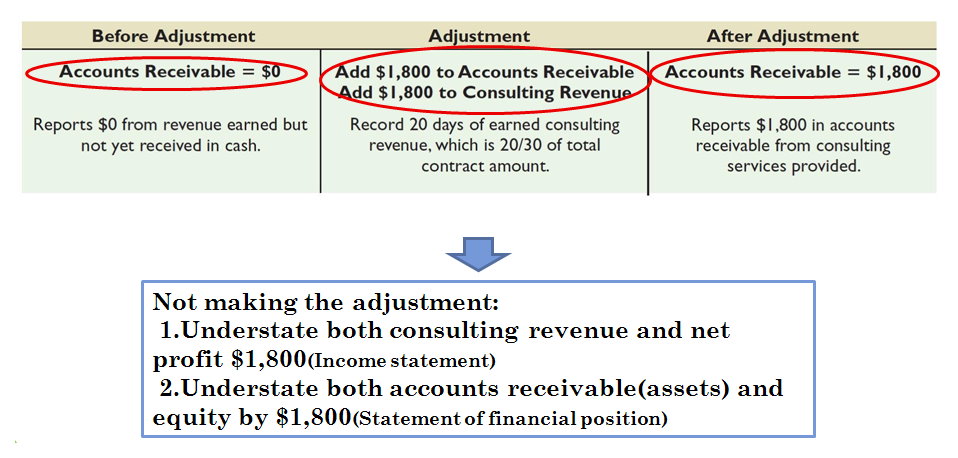
FastForward to provide services from December 12, 2016, through January 10, 2017, or 30 days of service. - Step 2: At December 31, 2016,
20 days of services have
already been provided.
FastForward has earned two-thirds of the 30-day fee, or $1,800 ($2,700 × 20/30). - Step 3:The year-end adjusting entry
- Step 1: In the second week of December, it agreed to provide 30 days of consulting services to a local fitness club for
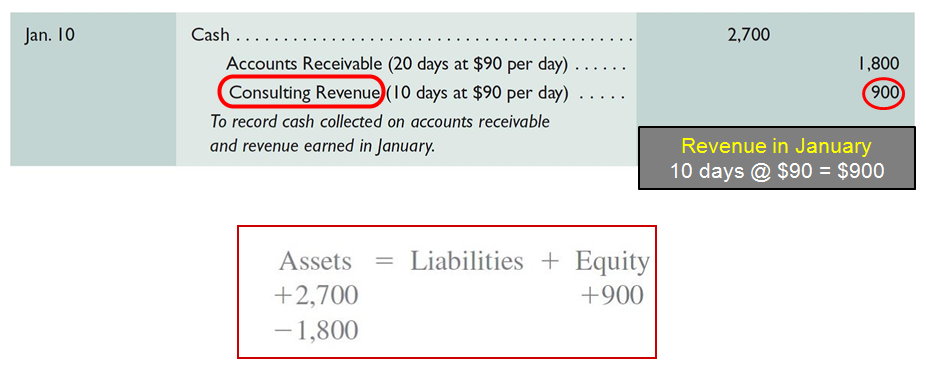
a fixed fee of $2,700.
- When FastForward receives $2,700 cash on January 10
-
Accrued expenses refer to costs that are incurred in a period but are both
unpaid and
unrecorded.
- Links to Financial Statements
- The process of
adjusting accounts is intended to bring an
asset or
liability account balance to its correct amount. It also updates a related
expense or
revenue account.
調整分錄使資產及負債帳戶餘額更正確,同時也更新收入及費用帳戶。
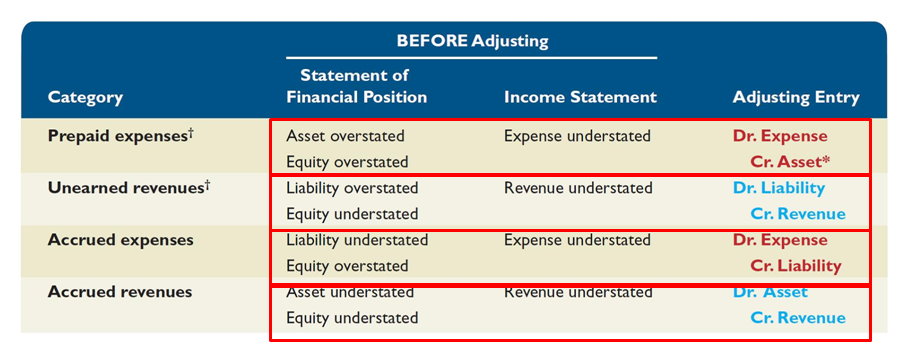
- The process of
adjusting accounts is intended to bring an
asset or
liability account balance to its correct amount. It also updates a related
expense or
revenue account.
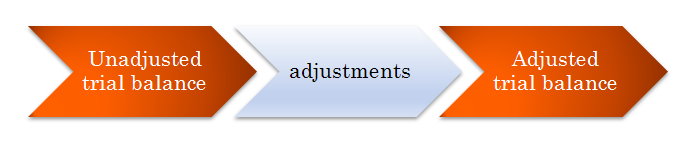
- 調整後試算表 (Adjusted Trial Balance)
- An
unadjusted trial balance: a list of accounts and balances prepared
before adjustments are recorded.
調整前試算表:列示所有帳戶及其調整前餘額的報表。 - An
adjusted trial balance: a list of accounts and balances prepared
after adjusting entries have been recorded and posted to the ledger.
調整後試算表:列示所有帳戶及其調整後餘額的報表。
- Exhibit 3.13
Unadjusted and Adjusted Trial Balances
調整前及調整後試算表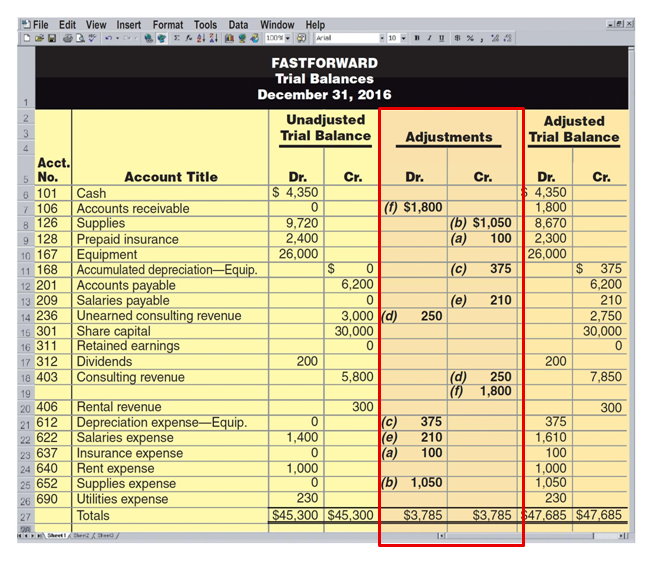
- An
unadjusted trial balance: a list of accounts and balances prepared
before adjustments are recorded.
- Preparing Financial Statements
- Prepare
financial statements directly from information in the
adjusted trial balance.
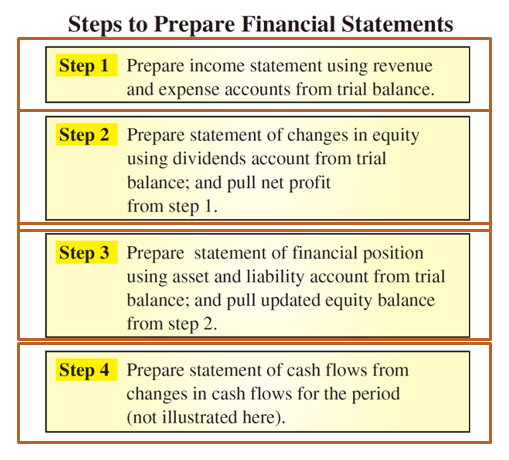
- Exhibit 3.14
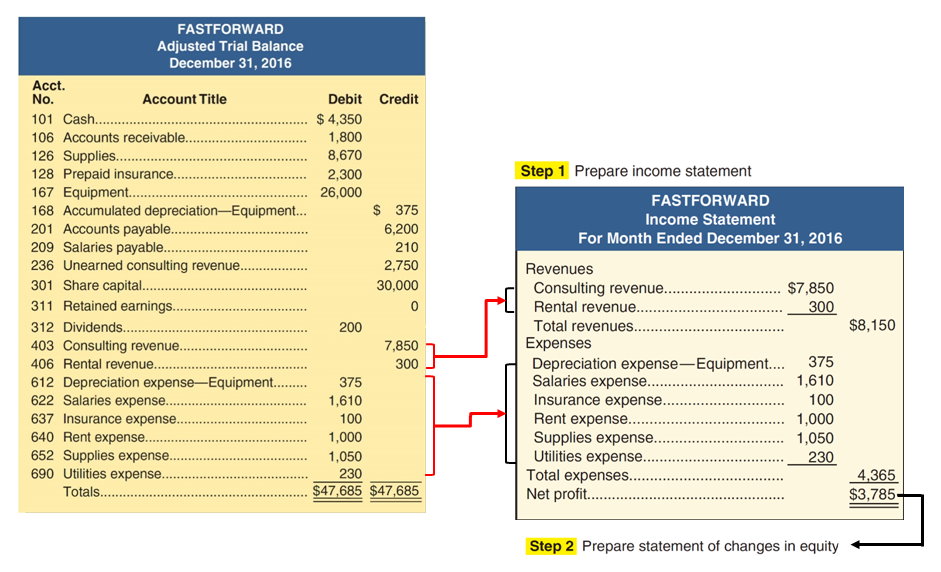
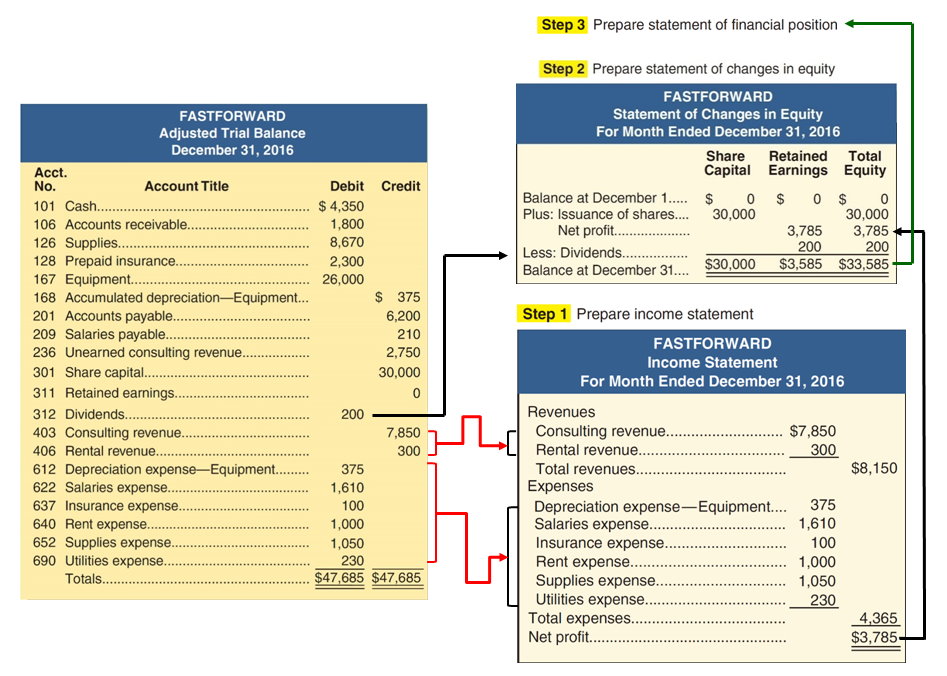
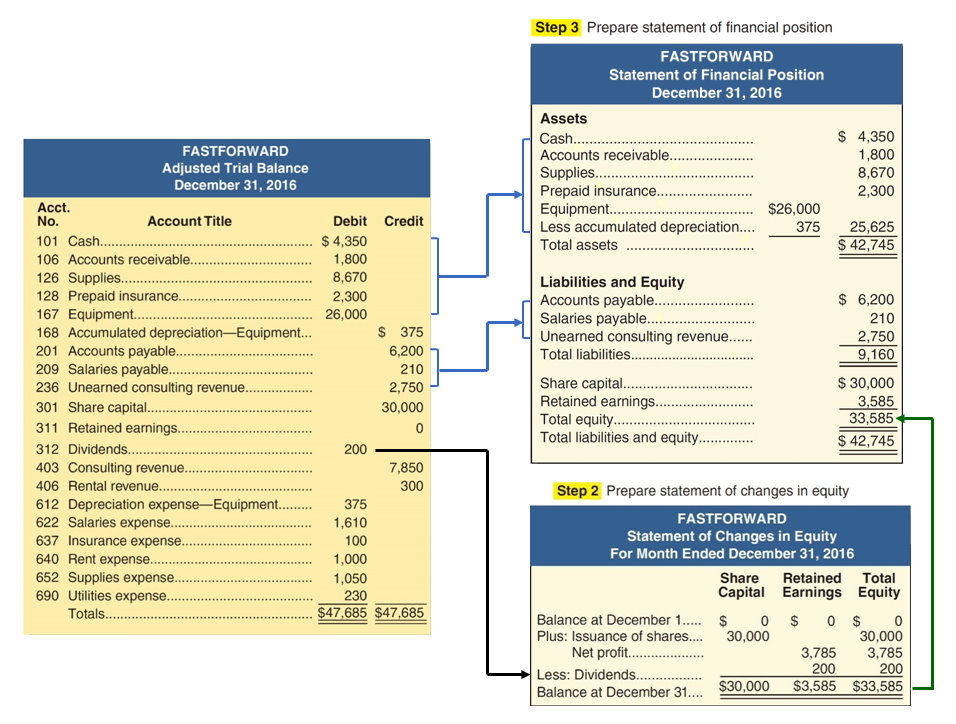
- Prepare
financial statements directly from information in the
adjusted trial balance.
圖片/部分文字來源:McGraw-Hill Education.
附加檔案: 2017-Ch3-ppt.ppt
2017-Ch3-ppt.ppt



© 2026 Red Whale
Top